In discussions regarding financial planning, retirement, and the establishment of a secure future, the focus typically centers on quantifiable elements such as stock portfolios, tax brackets, pensions, and the requisite savings necessary to enjoy one’s later years—whether through leisure activities such as golfing or global travel.
However, a vital aspect frequently omitted from this discourse is the considerable financial burden associated with family caregiving. A significant study conducted by Edward Jones and Age Wave, in partnership with The Harris Poll, illuminates this often-neglected issue.
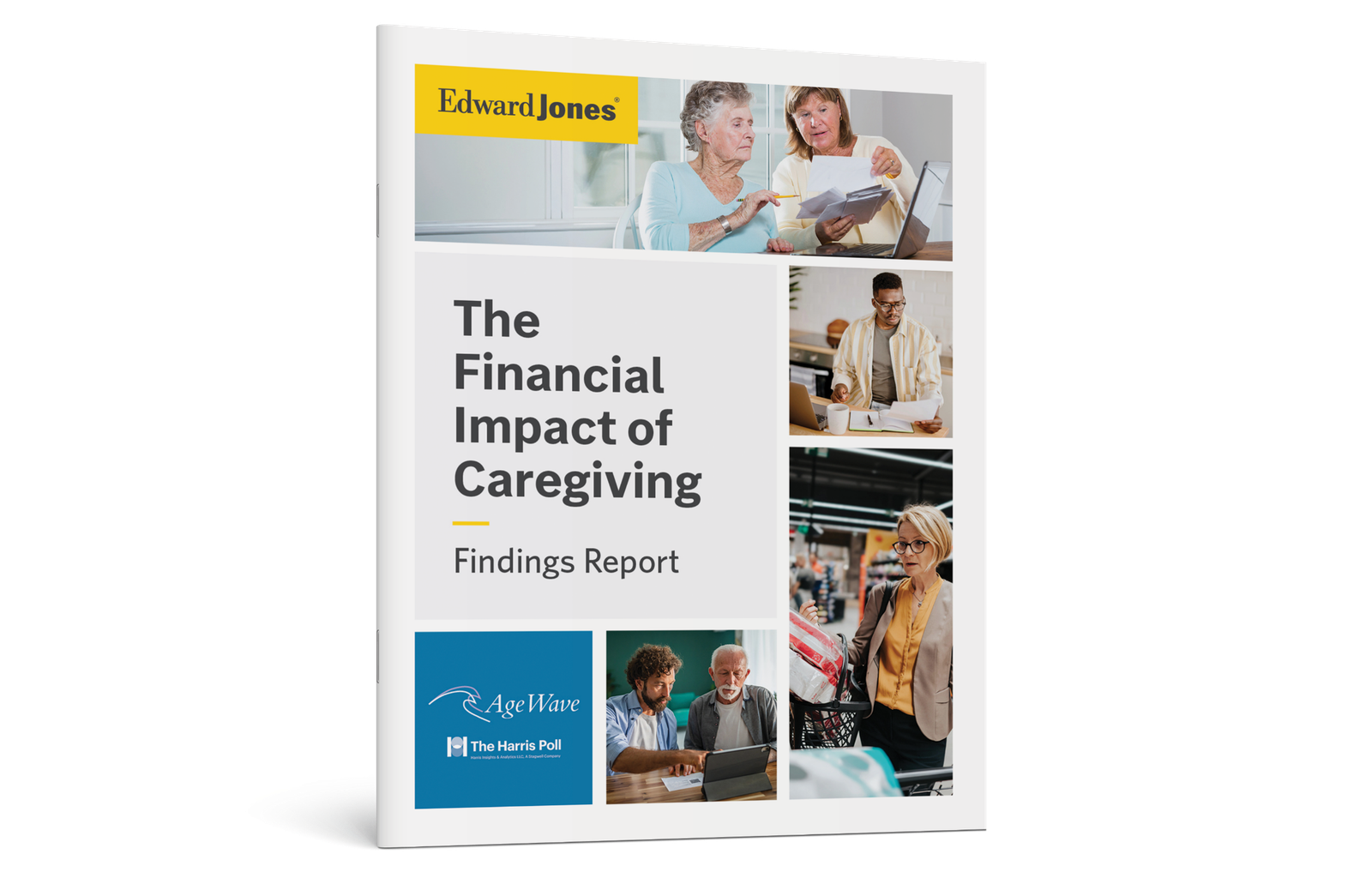
The report titled “The Financial Impact of Caregiving” surveyed over 3,000 adult caregivers and revealed a striking statistic: 80 percent of caregivers are willing to compromise their own financial stability to support a loved one.
The question thus arises: why is this substantial commitment seldom addressed by financial advisors? Moreover, what implications does it have for ordinary families?
Family caregiving rarely commences with a structured plan. Instead, it typically emerges gradually—through overlooked bills, minor accidents, or a slow decline in health—until individuals find themselves deeply engaged in managing another person’s daily needs.
Key findings from the report include:
-
Financial Responsibilities: An impressive 81 percent of caregivers for individuals aged 65 and older provide not only emotional support but also financial assistance, with over 32 million Americans currently fulfilling this role.
-
Out-of-Pocket Expenditures: A significant 91 percent of financial caregivers invest their own funds in assisting their loved ones, averaging approximately $8,737 annually out of pocket, often without the prospect of full reimbursement.
-
Time Commitment: Caregivers allocate an average of 109 hours per month to their responsibilities, which equates to approximately 3.6 hours per day. For nearly three-quarters of caregivers who also maintain employment, this presents a substantial challenge in balancing competing demands.
-
Generational Pressures: Nearly half of these caregivers are part of the “club sandwich” generation, responsible for supporting aging parents while simultaneously managing their own households and, in some cases, assisting adult children.
When caregivers draw from their savings to handle necessary expenses, such expenditures typically originate from funds designated for emergencies, educational pursuits, or retirement preparations. Approximately 25 percent report incurring new debt, and women, who often bear a larger share of caregiving responsibilities, frequently express a heightened sense of uncertainty regarding their financial futures.
Given the evident financial challenges posed by caregiving, it is pertinent to explore why this topic is often overlooked in conversations with financial planners. Several factors contribute to this neglect:
-
The “Generosity Paradox”: Caregiving is frequently motivated by deep familial love and obligation, which can lead to a perception of moral duty rather than a financial risk that requires management. This emotional connection causes many to overlook the associated financial implications.
-
The Illusion of Independence: Traditional financial planning tends to treat individuals as isolated economic units, concentrating solely on wealth accumulation while disregarding the potential need to provide support for aging parents or to reduce professional commitments due to caregiving obligations.
-
Cultural Sensitivities: Discussing issues related to aging, decline, and mortality is uncomfortable for many. It is considerably easier to visualize retirement celebrations than to confront questions about who will manage affairs should a loved one become incapacitated.
The Edward Jones report underscores a crucial insight: while caregiving may be inherently unpredictable, the financial consequences need not be devastating. A shift from reactive approaches to proactive planning is essential.
Several strategies are recommended:
-
Initiate Early Conversations: Alarmingly, only 33 percent of caregivers reported engaging in discussions regarding their roles prior to taking on those responsibilities. Instituting open dialogues with family members about long-term wishes, financial matters, and caregiving obligations can facilitate informed decision-making for all involved.
-
Establish Comprehensive Legal Documents: It is vital to prepare essential documents—such as wills, healthcare directives, and powers of attorney—in advance. This preparation serves to protect all parties from financial loss and confusion during emergencies.
-
Engage with Financial Advisors: Caregivers should consult with financial planners to explore various scenarios and their potential implications. A knowledgeable advisor can assist in understanding how caregiving responsibilities may impact retirement objectives, thereby enabling the creation of a financial safety net that secures the interests of both caregivers and their loved ones.
In conclusion, caregiving represents a profound and invaluable commitment. However, this study illustrates that love should not entail financial sacrifices.
It is imperative that we elevate the discourse surrounding caregiving to ensure it is integrated into financial planning conversations, allowing individuals to offer support to their loved ones while also safeguarding their own financial futures.
To access the Report, Follow Here